Project-based learning (PBL) is a dynamic approach that immerses students in real-world challenges, fostering deep understanding and application of STEM concepts. This article explores successful implementations of PBL in STEM education and offers strategies for educators looking to integrate this effective method into their classrooms.
Understanding Project-Based Learning in STEM
Through practical projects, project-based learning involves students in investigating and solving challenging problems. PBL in STEM education promotes teamwork, critical thinking, and the application of knowledge to real-world issues.
Success Stories in STEM Education
Designing Sustainable Communities
Students at a high school in California tackled the challenge of designing sustainable communities. They explored concepts in environmental science, engineering, and urban planning to create models and proposals for eco-friendly neighbourhoods. This project not only deepened their understanding of STEM principles but also highlighted the importance of sustainability in community planning.
Robotics Challenge
Students created and programmed robots to negotiate a maze as part of a robotics contest at an elementary school in Texas. This project encouraged young learners to collaborate in teams to solve problems by integrating engineering, math, and technology ideas. Students competed with their robots to show off their technical prowess and inventiveness.
Environmental Monitoring
At a middle school in New York, students conducted an environmental monitoring project focused on local water quality. They collected data, analyzed samples, and presented their findings to community stakeholders. This project not only reinforced scientific inquiry skills but also emphasized the relevance of STEM in addressing environmental issues.
Strategies for Implementing Project-Based Learning in STEM
Choose Relevant and Challenging Topics
Choose subjects that fit the STEM curriculum requirements and the interests of your students. Projects ought to present real-world difficulties that call for analytical reasoning and problem-solving abilities.
Facilitate Collaboration and Inquiry
Encourage collaboration among students by forming diverse teams where each member brings unique strengths and perspectives. Foster inquiry-based learning by encouraging students to ask questions, conduct research, and propose solutions.
Provide Real-World Context
To highlight the real-world applicability of STEM principles, tie projects to relevant industries or challenges. Provide students access to field trips and guest lecturers to provide them with personal knowledge and perspectives.
Support Student Reflection and Feedback
Include opportunities for students to reflect on their learning journey and receive feedback from peers and educators. Reflection encourages metacognition and helps students identify areas for improvement in future projects.
Integrate Technology and Resources
Make use of technological resources and tools to improve project development and delivery. To encourage student discovery and creativity, make tools for data analysis, multimedia creation, and simulations accessible.
Benefits of Project-Based Learning in STEM
Engagement and Motivation: PBL promotes active learning and engages students by connecting theoretical knowledge to real-world applications.
Critical Thinking and Problem-Solving: Students develop analytical skills and learn to approach challenges from multiple perspectives.
Collaboration and Communication: PBL fosters teamwork and communication skills as students work together to achieve project goals.
Preparation for Future Careers: By simulating real-world scenarios, PBL prepares students for careers in STEM fields where problem-solving and innovation are essential.
Conclusion
STEM project-based learning increases student interest, develops critical thinking, and gets them ready for success in a world that is changing quickly. Incorporating genuine difficulties and practical applications into the curriculum helps encourage students’ interest in STEM subjects and provides them with 21st-century competencies. Success stories show that PBL fosters student creativity and teamwork in addition to deepening comprehension of STEM ideas. Empowering students to become self-assured problem solvers and innovators through meaningful learning experiences is ensured by putting techniques like selecting pertinent topics, encouraging collaboration, and offering real-world context into practice.
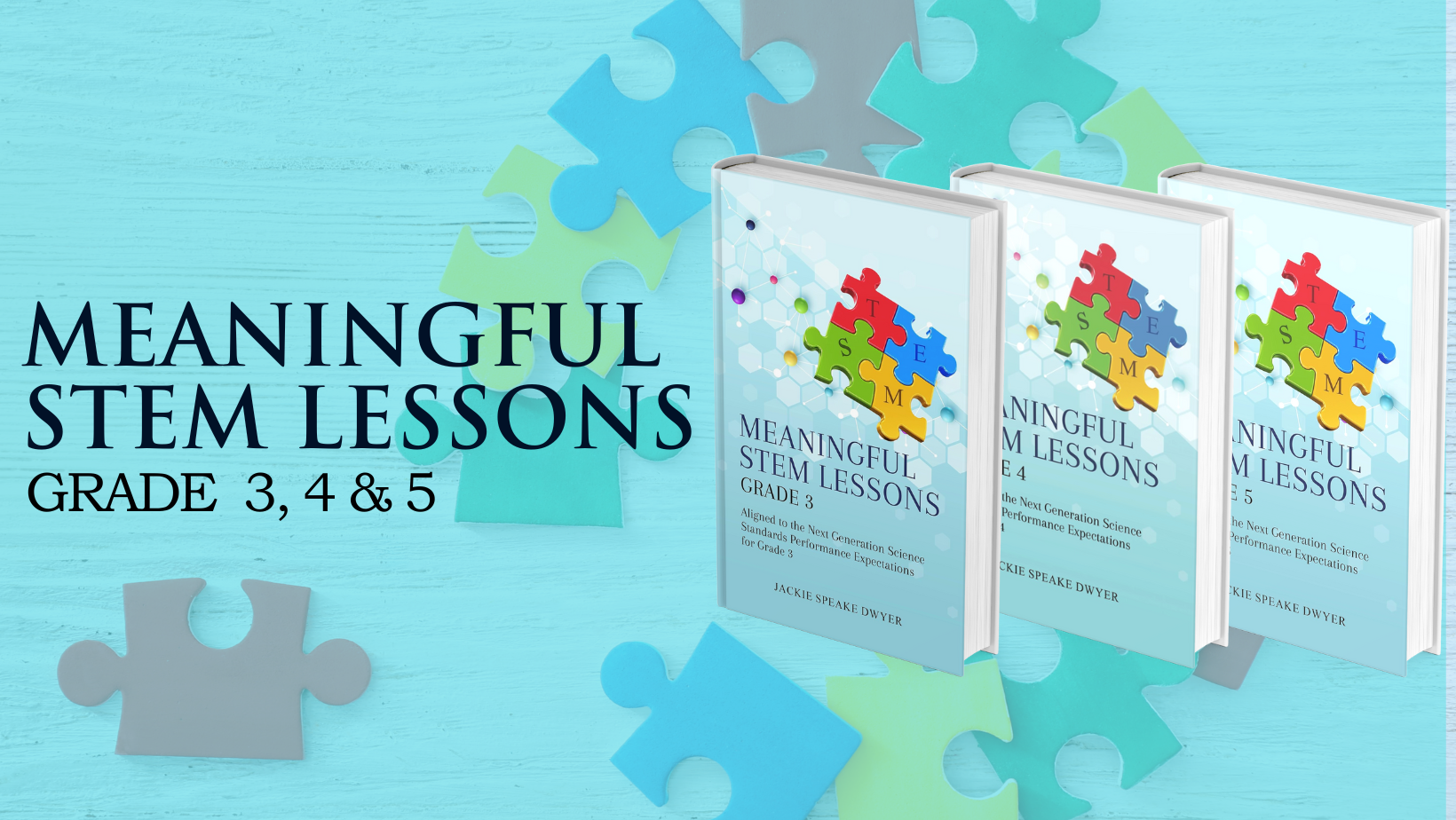
Explore success stories and strategies in STEM education with Jackie Speake Dwyer’s Meaningful STEM Lessons Grade 3, Meaningful STEM Lessons Grade 4, and Meaningful STEM Lessons Grade 5. These books feature proven approaches like project-based learning that engage students with real-world challenges. Discover NGSS-aligned lessons that inspire critical thinking, collaboration, and innovation. Equip your classroom with resources that transform learning into meaningful experiences. Order now by checking out the given links and empower your students with the skills they need to succeed in STEM and beyond!
Meaningful STEM Lessons Grade 3: https://amz.run/9BwZ
Meaningful STEM Lessons Grade 4: https://amz.run/9Cqh
Meaningful STEM Lessons Grade 5: https://amz.run/9Cqh