Culturally responsive teaching (CRT) has become crucial in today’s diverse educational environment for promoting an inclusive and fair learning environment. By incorporating students’ cultural origins, experiences, and viewpoints into the teaching and learning process, this method celebrates and acknowledges them. Culturally sensitive teaching in STEM (Science, Technology, Engineering, and Mathematics) education can close gaps, motivate marginalized pupils, and enhance learning for all. This article examines the fundamentals of culturally responsive STEM education and provides practical implementation techniques.
Principles of Culturally Responsive Teaching in STEM
Cultural Competence: Educators must develop an understanding of their students’ cultural backgrounds and how these influence learning. This involves ongoing self-reflection and professional development.
Inclusive Curriculum: The curriculum should include diverse perspectives and contributions from different cultures, highlighting the global nature of STEM fields.
Student-Centered Learning: Instruction should be tailored to students’ cultural contexts, learning styles, and interests, making learning relevant and meaningful.
High Expectations: Teachers should hold high expectations for all students, providing the support and resources needed to achieve these standards.
Community Collaboration: Engaging with students’ families and communities strengthens the connection between school and home, fostering a supportive learning environment.
Strategies for Implementing Culturally Responsive Teaching in STEM
Incorporate Diverse Role Models: Emphasise mathematicians, scientists, and engineers from diverse cultural backgrounds. Talk about their accomplishments and the difficulties they faced. This highlights the variety of STEM professions and offers role models.
Use Culturally Relevant Examples: Incorporate case studies and examples that illustrate the cultural experiences of the pupils. For example, explain scientific concepts using technology that has cultural significance or with local environmental challenges.
Foster an Inclusive Classroom Environment: Establish an environment where each student feels appreciated and cherished. Use cooperative learning activities that foster communication and respect for one another while encouraging students to share their viewpoints and experiences.
Differentiate Instruction: Acknowledge that every student is unique in their requirements and learning styles. To accommodate a variety of learners, employ a range of instructional tactics, such as technology, hands-on exercises, and visual aids.
Engage Families and Communities: Educate the communities and families of your kids. This can involve planning community-based initiatives, inviting special guests to speak, and commemorating cultural occasions.
Reflect and Adapt: Ask students for input and keep an ongoing reflective process about your teaching methods. Be open to changing your teaching strategies to better suit your pupils’ requirements.
Conclusion
Culturally responsive STEM education involves a fundamental shift in teaching methods, prioritizing inclusivity, equity, and student needs over simply adding different content to the curriculum. Teachers can establish a STEM learning environment that is more relevant, engaging, and productive by using culturally responsive teaching practices. In addition to helping underprivileged students, this method improves everyone’s educational experience and equips pupils for success in a varied and globalized society. Creating a more inventive and inclusive future will require incorporating CRT into STEM education.
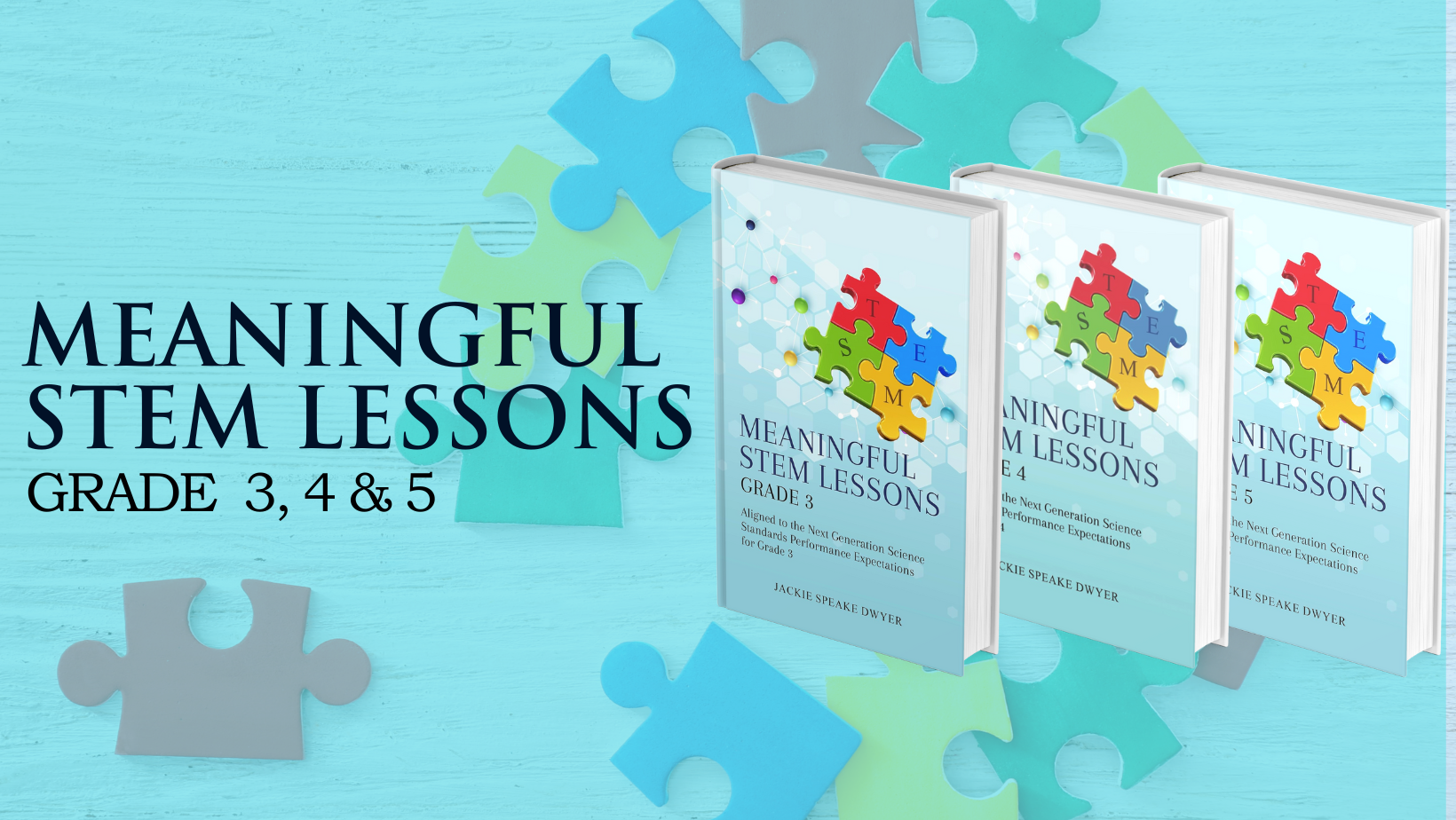
Discover the power of culturally responsive teaching in STEM with Jackie Speake Dwyer’s Meaningful STEM Lessons Grade 3, Meaningful STEM Lessons Grade 4, and Meaningful STEM Lessons Grade 5. These books offer NGSS-aligned lessons integrating diverse perspectives, fostering inclusive and equitable learning environments. Empower your students with engaging activities honouring their cultural backgrounds while enhancing critical thinking and problem-solving skills. Transform your STEM classroom into a place where every student feels valued and inspired. Order now by clicking the links and embark on a journey to promote diversity, equity, and excellence in STEM education!
Meaningful STEM Lessons Grade 3: https://amz.run/9BwZ
Meaningful STEM Lessons Grade 4: https://amz.run/9Cqh
Meaningful STEM Lessons Grade 5: https://amz.run/9Cqh