STEM (science, technology, engineering, and mathematics) is a style of thinking and comprehending the world around us, not just a set of subjects. STEM ideas are essential to daily living and can be seen in everything from the electronics we use to the engineering marvels that create our cities. This blog examines the connections between STEM education and the real world and argues for the need to help kids make these connections from an early age.
STEM in Technology: The Devices We Use
Think about the technology we rely on each day—smartphones, laptops, tablets, and smart home devices. These innovations are the product of advancements in science and technology. Understanding how these devices work, from coding to electronics, can spark curiosity and lead to deeper learning. When students learn about circuits, they can relate them to the electronics in their devices. Coding projects can inspire them to create simple applications, showing the real-world impact of STEM skills.
Engineering in Everyday Structures
The foundation of the structures, bridges, and infrastructure that surround us is engineering. Students develop a fresh appreciation for the engineering that allows these structures to be built when they study forces, materials, and construction. A casual stroll across the city can turn into an engineering lecture, complete with talks about the many kinds of bridges, the ideas behind skyscrapers, and the latest advancements in sustainable building design. Students understand the relevance of their study when engineering principles are connected to common structures.
Science in the Natural World
Science helps us understand the natural world, from the weather to the ecosystems in our backyards. By encouraging students to observe and explore their surroundings, we can foster a deeper connection to science. Weather patterns, the changing seasons, and the growth of plants are all excellent starting points for discussions about scientific concepts. Students can conduct experiments at home or in the classroom, learning about the scientific method and how it applies to real-life phenomena.
Mathematics in Daily Activities
All aspects of daily life, including budgeting and cooking, involve mathematics. Students acquire useful arithmetic abilities when they study measurements and proportions in the context of cooking. In a similar vein, financial literacy and budgeting activities can assist kids in realizing the value of math in money management. We can help kids accept math as a useful tool by making the topic more approachable and less daunting by making connections between math principles and everyday life.
Making STEM Learning Relevant
The key to effective STEM education is making it relevant to students’ lives. When educators and parents can draw connections between STEM concepts and everyday experiences, students are more likely to engage and develop a deeper understanding. Encourage students to ask questions about the world around them and guide them in exploring how STEM concepts play a role in answering those questions. This approach not only enhances learning but also fosters a lifelong curiosity about the world.
Conclusion
When STEM education is applied to real-world situations, it works best. We can make learning interesting and relevant by demonstrating to students how STEM subjects relate to technology, engineering, science, and math in real-world situations. This method inspires children to learn more and helps them recognize the importance of STEM abilities. In the end, we may influence the upcoming generation of scientists, engineers, and innovators who will reshape the world by establishing these ties.
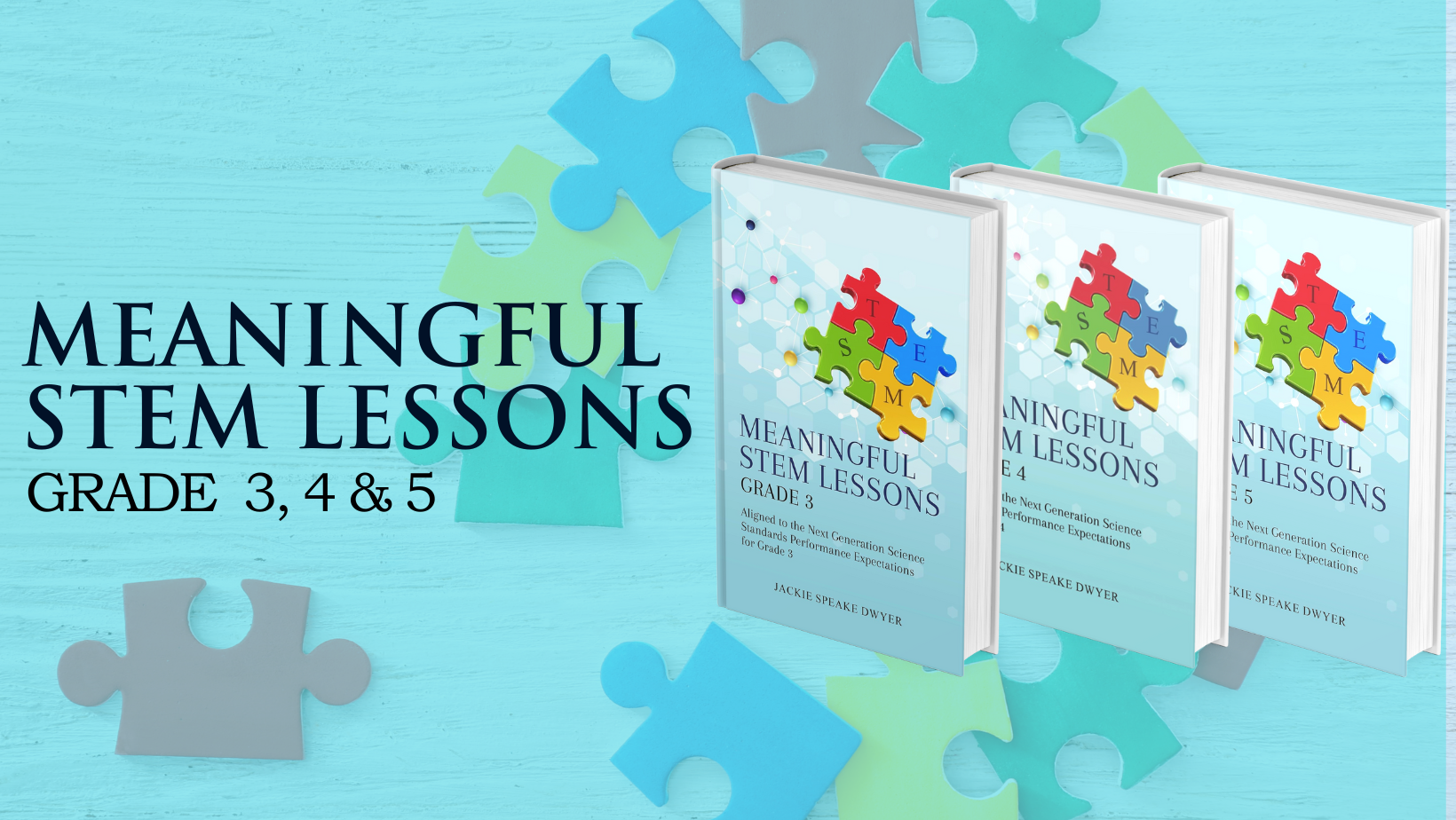
Explore real-world connections with Meaningful STEM Lessons Grade 3, Meaningful STEM Lessons Grade 4, and Meaningful STEM Lessons Grade 5 by Jackie Speake Dwyer! These resources offer engaging, hands-on activities aligned with the Next Generation Science Standards (NGSS) that relate STEM concepts to everyday life. Whether you’re a teacher or a homeschooling parent, these books provide the tools to inspire curiosity and creativity in young learners. Get your copies today from the links provided and empower the next generation of problem-solvers!
Meaningful STEM Lessons Grade 3: https://amz.run/9BwZ
Meaningful STEM Lessons Grade 4: https://amz.run/9Cqh
Meaningful STEM Lessons Grade 5: https://amz.run/9Cqh